Match task geometry to lift type
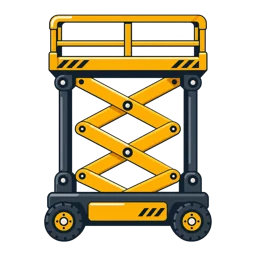
- Straight-up indoor work between racks: electric scissor lifts fit narrow aisles and low-emission requirements.
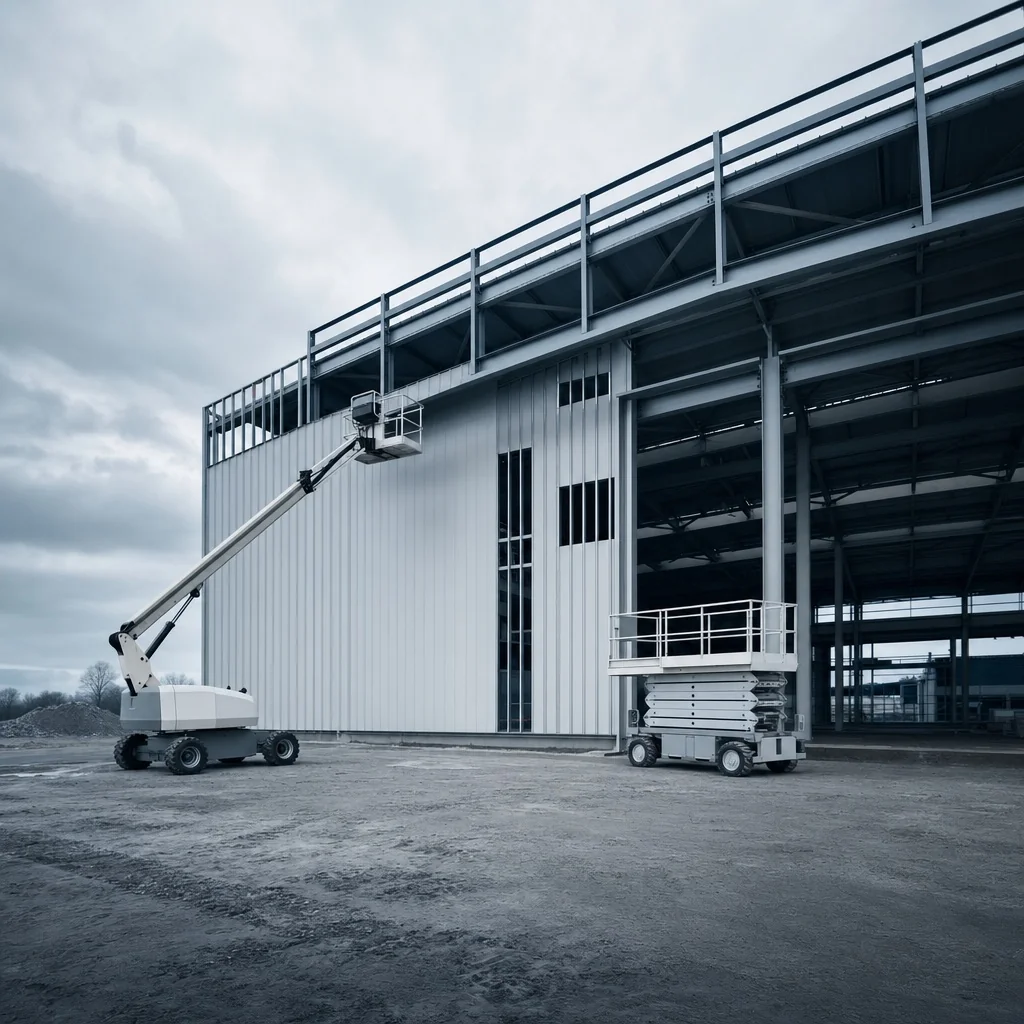
- Uneven exterior pads and yards: rough-terrain scissor lifts handle grade changes with larger platforms for trades.
- Up-and-over around conveyors or mezzanines: articulating boom lifts clear obstacles with compact tailswing.
- Long, direct outreach for façade or yard lighting: telescopic boom lifts offer straight-line reach where set-back distance is available.
- Vertical picks and material placement: telehandlers serve mixed staging where soil bearing varies.
- Tight interior maintenance: vertical mast lifts fit through standard doors with minimal floor loading.
- Pallet movement and dock work: forklifts align with logistics traffic patterns.
Surface and season in York
Clay and rock beneath rolling grades affect traction and level. After spring rains, exterior work often favors rough-terrain lifts and prepared pads. In humid summers and winter cold, interior projects lean toward electric units to respect emissions and noise limits inside local distribution buildings and production spaces.
Access route and staging
Many sites rely on narrow service drives with slope breaks. Measure gate width, turning radii, and any overhead limits. Staging for booms should sit outside pedestrian routes and dock lanes. Where space is limited, confirm whether the machine can sit below the task or needs offset positioning.
Coordinating site products
Support gear shapes lift productivity and layout: - Power and illumination: generators and light towers for exterior phases or dim interiors. - Secure storage: storage containers near work zones without blocking lift travel. - Perimeter control: temporary fencing and barricades to define safe corridors beside active lift paths.
Actual conditions, the selected unit's instructions, and site procedures govern elevated and exterior work in York. For questions about a specific task setup, use the category pages above or reach out via contact.