Where can the container sit without blocking work?
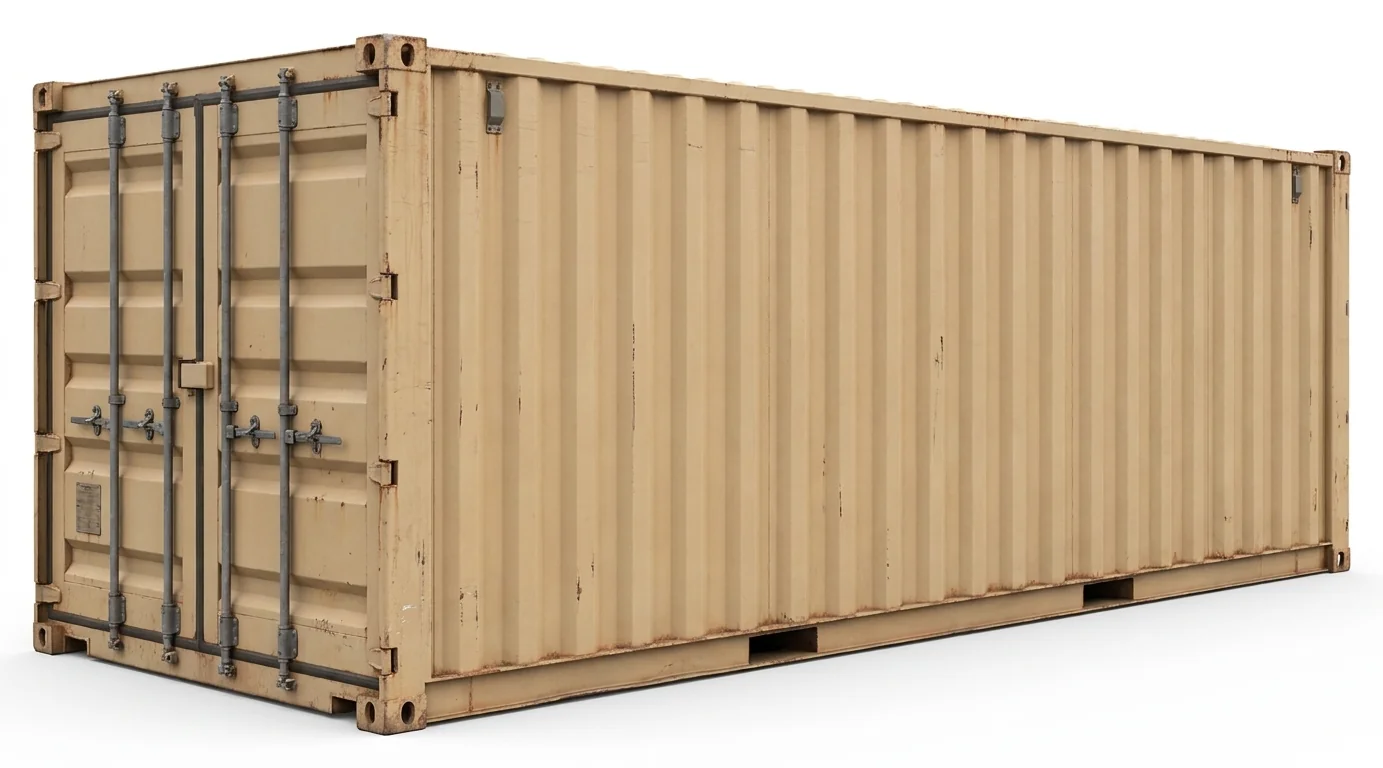
Decide whether the unit can live below the task area or needs to be offset. On active dock aprons, a side placement parallel to racking preserves forklift flows. For exterior plant work, choose a pad away from crane swing or boom travel. Map door swing clearance and any overhead obstructions.
- Measure landing area length, width, and slope.
- Identify turning radius from the access road to the pad.
- Confirm clearance for doors, especially on snow days when berms encroach.
How York conditions affect the pad
Heavy clay beneath thin top layers can rut under container weight, especially in wet spring periods. A compacted, well-drained surface helps keep doors square. Rolling grades may require shims or a leveled pad so door frames don’t bind. In winter, frost heave can shift corners; allow room to re-level if needed.
Sizing and interior use by site type
- Historic plant renovations: shorter units fit tight courtyards; interior shelving supports parts during phased shutdowns.
- High-bay logistics: standard lengths align with dock spacing; consider placement that doesn’t interrupt pallet flow or forklift approach angles.
- Mixed trades staging: if booms or telehandlers load materials, verify fork pocket access and overhead clearance for the machine’s carriage.
Access route realities
Many York sites rely on narrow service drives with slope breaks. Note gate width, curb cuts, and any soft shoulders. After storms, clay shoulders may not bear a tractor’s weight; a firm approach reduces sink risk and keeps containers square on drop.
Coordinating with lift activity
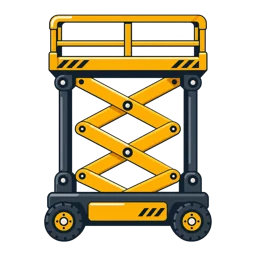
When containers support elevated tasks, keep them outside the working envelope of articulating or telescopic booms. Doors should face away from lift traffic so open leaves don’t enter the swing path. For interior support, pair with electric scissor lifts for quiet, aisle-friendly work.
Actual conditions, the selected unit's instructions, and site procedures govern setup and movement near elevated work.
For complementary site utilities, see generators and light towers or the products overview.