Start with the task: power draw, run window, and placement
Identify the highest combined load and the longest continuous run period. Long warehouse shifts with restraints on exhaust and noise push planning toward electric or hybrid options placed indoors or at dock aprons. Outdoor maintenance and staging around industrial sites usually need conventional towable or skid-mounted units with larger fuel capacity.
- Power draw: list peak and average loads in watts or amps.
- Run window: define shift length and refuel/recharge access.
- Placement: can the unit sit below the task, or must it run in a cordoned area clear of traffic?
What York sites change about the choice
The regional climate swings from humid summers to icy winters, and many sites sit on rolling grades with clay and rock beneath thin topsoil. On open ground, rough-terrain frames and wide, stable stands matter for stability and cable routing. Inside local distribution buildings, emissions and sound limits steer choices toward electric light towers and power sources positioned along aisles without blocking lift traffic.
Light tower considerations by environment
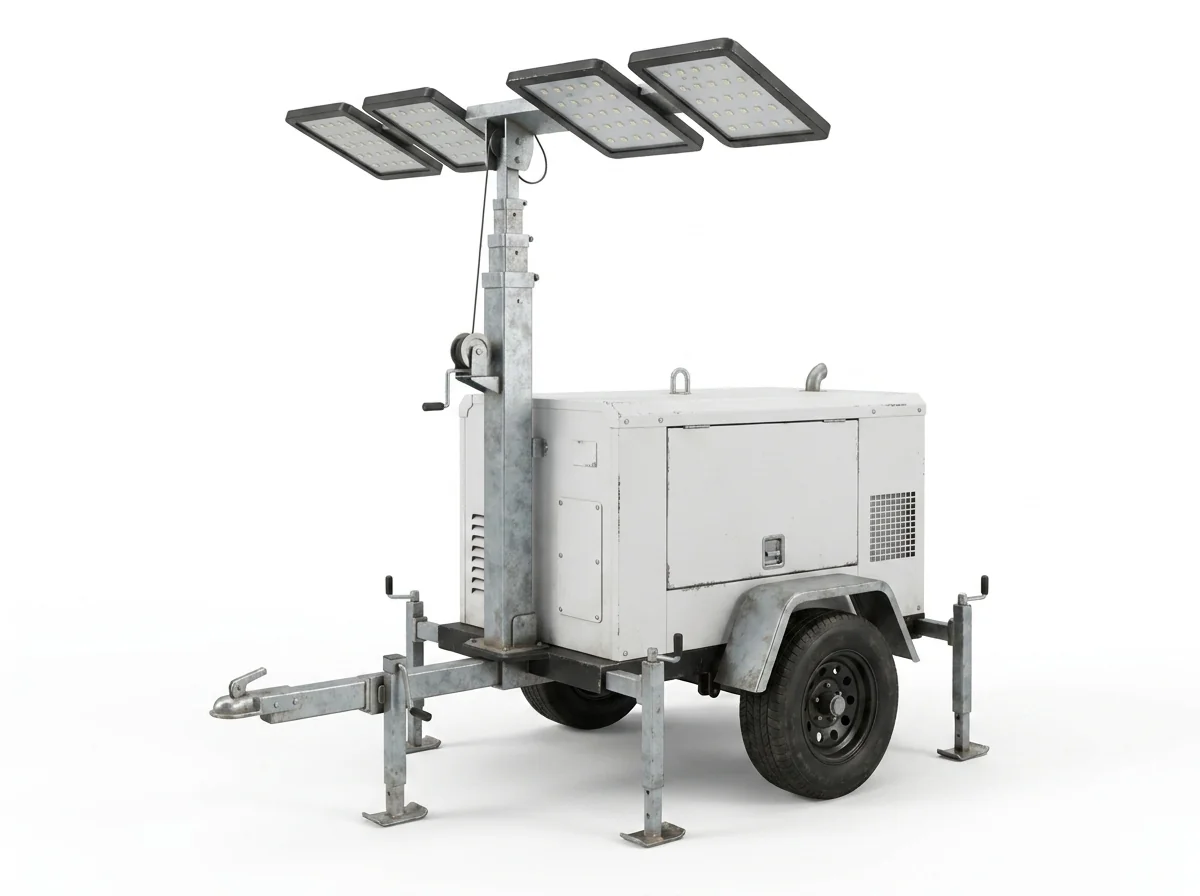
- Outdoor clay or crushed stone: prioritize towers with rugged bases and adjustable outriggers for uneven surfaces. Allow space for repositioning if soft ground settles after rain.
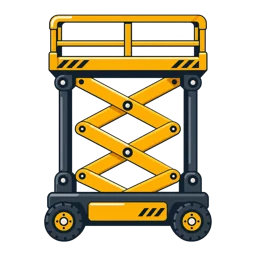
- High-bay interiors: look at LED mast heads that minimize heat, with cords managed along racking lines so forklifts and electric scissor lifts can pass.
- Perimeter work near active docks: choose compact masts that sit below dock canopy height to avoid conflicts with overhead doors and boom routes.
Generator placement and access route
Map the route from delivery point to final position. Tight service drives and winter plow berms can restrict turning radius. Note:
- Gate width and any slope breaks where trailers back in.
- Surface bearing: saturated clay can rut quickly; a stable pad reduces sink and cable strain.
- Cable path: keep spans short to reduce voltage drop; measure to the farthest device.
Coordinating with lift tasks
If lighting supports elevated work, confirm mast height versus the working envelope of articulating booms or rough-terrain scissors. The lift’s swing and travel lanes govern where a tower or generator can sit without creating pinch points. For interiors, match light distribution to the pick faces or maintenance bays and leave clear aisles for forklifts.
Actual conditions, the selected unit's instructions, and site procedures govern safe setup and operation.
When to consider alternatives
- Short indoor tasks at height: battery lighting combined with a vertical mast lift can reduce cords.
- Extended exterior runs on uneven ground: pair a rough-terrain lift with a fuel-capacity generator staged on a prepared pad.
For a broader look at site add-ons, visit the products overview.