Define routes first: people, forklifts, and lifts
Plot how crews, forklifts, and aerial equipment move. Barricades inside high-bay aisles should allow pallet turns and scissor-lift passage. Outside, fence lines need offsets from swing areas for boom lifts and telehandlers. Corners on grades require extra space to keep panels aligned.
How York terrain affects stability
Clay and mixed rock soils can shift after heavy rain. On exterior pads, wide bases and proper footing spacing help panels stay plumb across rolling ground. In winter, freeze–thaw cycles can loosen temporary blocks; plan inspection intervals when weather swings.
Choosing panel types by site
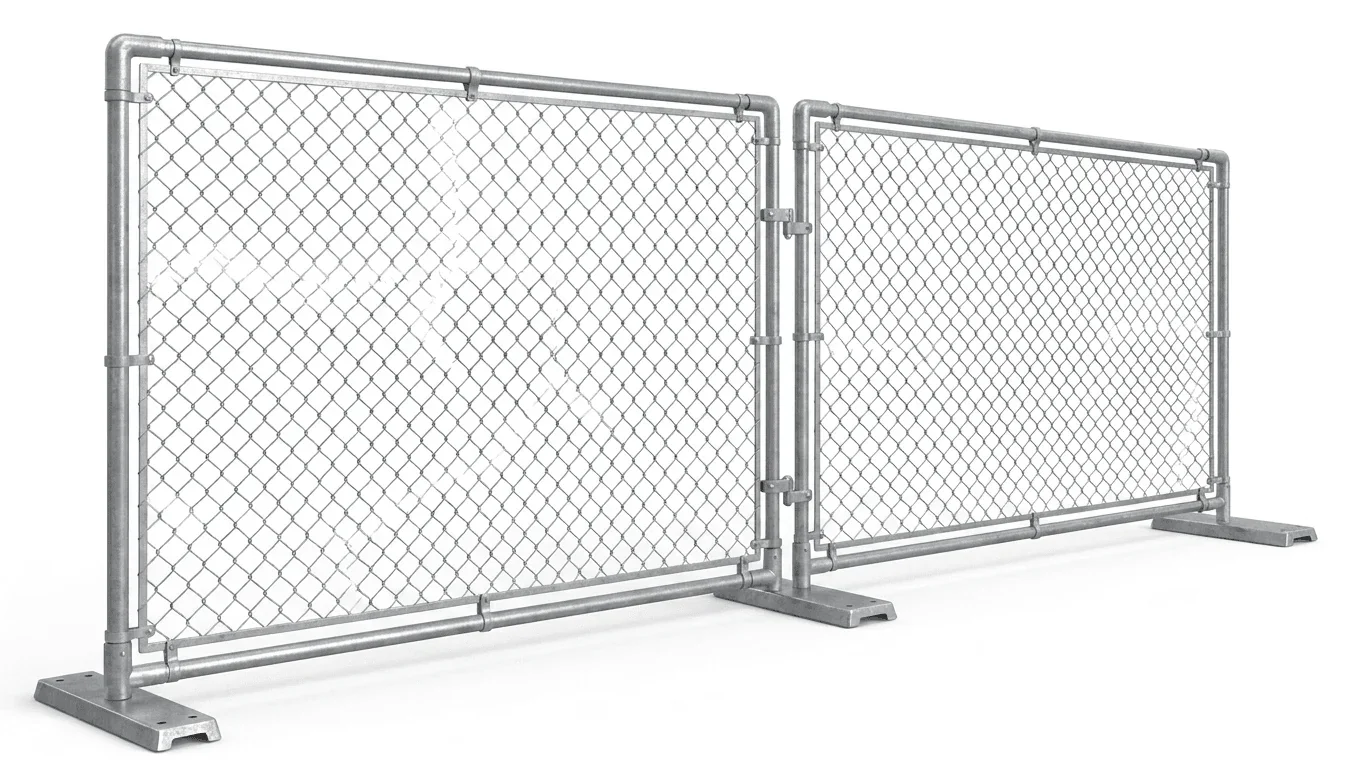
- Industrial retrofits: heavier panels resist movement near active equipment and gusty exposures.
- Logistics interiors: low-profile barricades define pedestrian lanes without snagging pallets or scissor-lift tires.
- Mixed-use yards: gate modules accommodate delivery trucks and keep sightlines clear at drive entries.
Access and delivery considerations
Narrow service drives and dock congestion are common. Measure gate widths and turning radii so delivery vehicles can stage close to the setup area. Soft shoulders on clay can collapse under weight; keep routes on firm surfaces to maintain alignment and panel integrity.
Working around elevated tasks
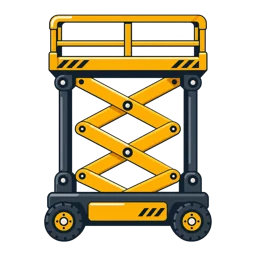
If fencing protects areas below elevated work, confirm the working envelope of articulating booms and rough-terrain scissors. Layout should account for platform swing, travel lanes, and material staging so barricades don’t intrude into the lift path. Actual conditions, the selected unit's instructions, and site procedures govern proximity to elevated work.
For related site logistics, see storage containers or power and lighting under generators and light towers.